5 Essential Smart Devices for a Connected Home
Creating a smart home can significantly enhance your everyday living experience. Among the numerous options available, it is essential to choose the right devices that streamline your routines and improve efficiency. Here are 5 essential smart devices to consider for a connected home:
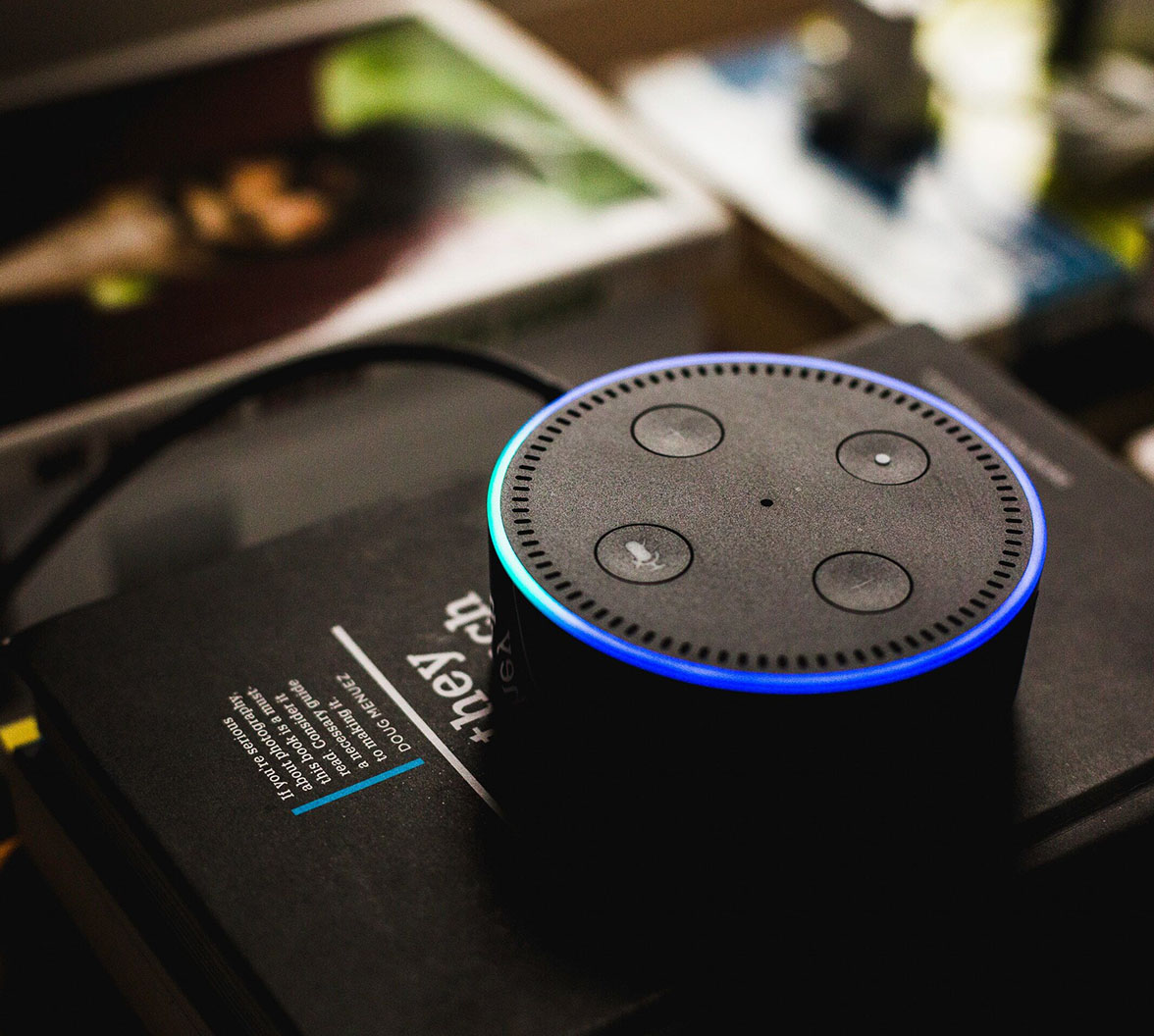
- Smart Speaker: A smart speaker like the Amazon Echo or Google Nest Hub serves as the central control hub for your smart home. They allow you to manage other devices, play music, and even answer your questions with the help of voice assistants.
- Smart Thermostat: Devices such as the Ecobee SmartThermostat or Nest Learning Thermostat can help optimize your home's heating and cooling, saving energy and reducing utility bills.
- Smart Lights: Brands like Philips Hue offer a range of smart lighting options that allow you to control brightness and color through your smartphone or voice, improving both ambiance and convenience.
- Smart Security Camera: Enhance your home security with devices like the Ring Video Doorbell or Blink Indoor Camera, which can notify you of any suspicious activity and provide peace of mind.
- Smart Plugs: Devices like the Kasa Smart Plug allow you to control any device plugged into it from your smartphone, making it easy to turn off lights or other appliances remotely, ensuring you're energy-efficient even when you're away.
How Smart Devices Improve Your Home's Energy Efficiency
In today's digital age, smart devices have become integral to enhancing a home's energy efficiency. These devices, including smart thermostats, smart lighting, and energy-monitoring plugs, allow homeowners to monitor and control their energy consumption remotely. For instance, a smart thermostat can learn your daily routines and adjust the temperature accordingly, leading to significant savings on heating and cooling costs. According to a study by the U.S. Department of Energy, homes equipped with smart thermostats can save anywhere from 10% to 20% on heating and cooling expenses.
Furthermore, smart lighting systems, which can be controlled via smartphone apps, enable users to turn lights off or dim them based on natural light availability. This not only reduces electricity consumption but also extends the lifespan of bulbs. Additionally, smart plugs can help track and manage the energy usage of devices that are often left on unintentionally, providing detailed insights into which appliances are consuming the most power. Implementing such technologies can lead to a more sustainable lifestyle while lowering your utility bills.
Are Smart Homes Safe? Addressing Security Concerns with IoT Devices
As the popularity of smart homes continues to rise, many homeowners are keen to adopt Internet of Things (IoT) devices to enhance convenience, energy efficiency, and security. However, this surge in technology has also raised significant concerns regarding the safety of these devices. According to Cybersecurity Insiders, vulnerabilities in IoT devices can expose users to various cyber threats, including hacking and data breaches. To safeguard your smart home, it's crucial to implement strong passwords, enable two-factor authentication, and regularly update device software for enhanced security.
Moreover, it's essential to understand that not all smart home devices are created equal when it comes to security measures. An alarming number of devices are shipped with default settings that can easily be exploited by malicious actors. Homeowners can mitigate these risks by conducting thorough research and choosing products from reputable brands that prioritize security. The NIST Cybersecurity Framework provides valuable guidelines for ensuring the integrity of IoT devices in your smart home.