The Skill Set of a Full-Stack Developer: A Comprehensive Overview
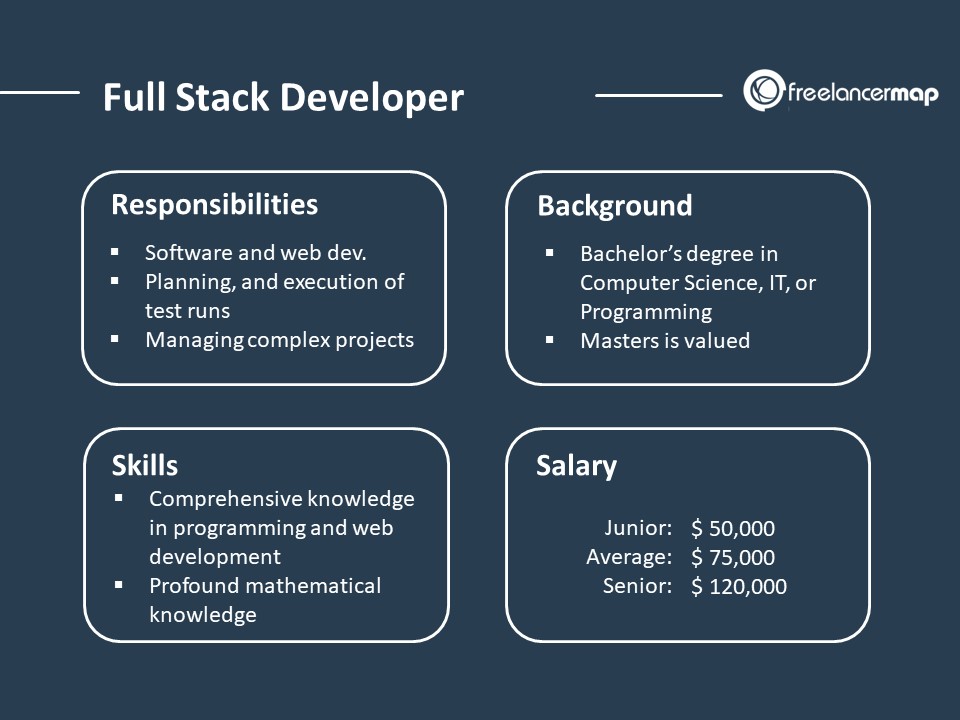
A full-stack developer is a versatile professional skilled in both front-end and back-end development, making them invaluable in the tech industry. This comprehensive skill set enables them to build complete web applications from scratch, refining client-side interfaces with technologies such as HTML, CSS, and JavaScript. On the server side, their proficiency extends to languages like Python, Ruby, and Node.js, alongside experience with databases, RESTful APIs, and version control systems such as Git. The combination of these skills allows full-stack developers to oversee projects from conception to deployment, ensuring a seamless integration between the visual layout and server-side operations.
In addition to programming languages and frameworks, a successful full-stack developer must also possess a set of soft skills and understand key concepts in web development. Among these are:
- Problem-solving abilities, which are crucial for debugging and optimizing applications.
- Collaboration skills, as they often work in teams and must communicate effectively with designers, project managers, and other developers.
- A strong grasp of UX/UI design principles to enhance user satisfaction and engagement.
- A commitment to continuous learning, given the fast-paced evolution of technologies in the tech landscape.
This diverse skill set not only makes full-stack developers adaptable but also enhances their employability in various domains.
Breaking Down the Full-Stack: What Makes These Developers So Unique?
Full-stack developers possess a unique combination of skills that enables them to work on both the front-end and back-end of web applications. Their expertise spans multiple programming languages and technologies, which allows them to see the big picture of a project. Unlike specialists, who may focus solely on one aspect, full-stack developers can manage everything from designing user interfaces to configuring databases. This versatility not only enhances team collaboration but also provides them with a holistic understanding of the development process, leading to more coherent and integrated solutions.
What truly sets full-stack developers apart is their ability to adapt quickly to changing project requirements. In today’s fast-paced development environments, having someone who can shift between tasks and technologies is invaluable. For example, they might start a day by working on API integrations and transition to creating responsive layouts by the afternoon. This adaptability, coupled with a strong problem-solving mindset, allows them to contribute significantly at every stage of a project’s lifecycle, making them a crucial asset to any development team.
Why Every Tech Team Needs a Full-Stack Developer: Benefits and Insights
In today's rapidly evolving digital landscape, having a versatile tech team is essential for success. A full-stack developer brings a unique blend of skills to the table, enabling teams to navigate both the front-end and back-end of web development seamlessly. This broad expertise ensures that projects can be completed more efficiently, as full-stack developers can identify and resolve issues across the entire stack without waiting for input from multiple specialists. By integrating both client-side and server-side development, teams can foster better collaboration, ultimately leading to faster project timelines and a more cohesive user experience.
Moreover, incorporating a full-stack developer into your tech team can drive innovation and enhance problem-solving capabilities. These developers possess a comprehensive understanding of various technologies and frameworks, which allows them to leverage the most effective tools for any given task. This adaptability not only helps in maintaining code quality but also in future-proofing projects against technological changes. By bridging gaps between separate development roles, a full-stack developer can streamline communication, reduce misunderstandings, and promote a more agile working environment, all of which are vital for any tech team aiming to stay competitive.